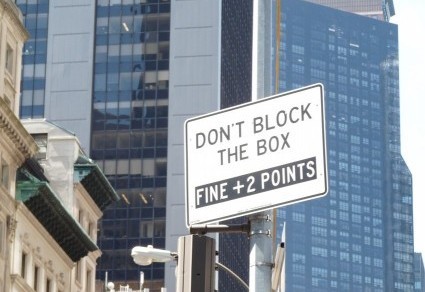
Poet T. S. Eliot called April “the cruelest month,” but he was wrong. It’s definitely February. The holidays are over and spring feels far, far away. Plus, the month is almost impossible to spell correctly. And sometimes it has an extra day! To cheer myself up as February staggers to its end, I snapped these photos of silly signage. I hope they make you smile.
First, a store-closing notice:

“Bitter cold summers, sweltering summers.” Huh. I’ve lived in New York City all my life, and I don’t remember any “bitter cold” July or August days. This store went out of business because, I suspect, the lease the owners signed was checked as carefully as the text of this message.
To defend yourself against “bitter cold summers,” you might try working out:

Pilates, fine. But the other part? We’ve all got “privates” — and I don’t mean the military sort — so I don’t see a need to purchase any.
This one, for reasons known only to my phone’s camera, is rather small, but I’m posting it anyway because . . . well, you’ll see:

In case you can’t read it, the sign says: “self dog wash instructions.” Where do I start? How about here: It’s reasonable to assume that Fido doesn’t know how to lather up and rinse thoroughly without instructions, but if you assume that, you have to assume that Fido can’t read either.
One more:

In case you’re craving a bit of jerky or a nice bone, you know where to go. Enjoy!


 If they’re “certified,” they can’t be that bad, right? Don’t ask me what they’re “certified” in (or “of,” as the sign says). At least they’re in NY — well, make that “Ny,” but nothing’s perfect. Not even verbals.


